Waterless Beauty Products Reshape Sustainable Skincare
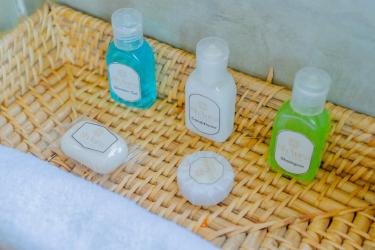
The Moment My Bathroom Shelf Made Me Rethink Everything
I was staring at my bathroom counter last Tuesday, surrounded by half-empty bottles of serums, toners, and moisturizers. You know that moment when you actually read the ingredients list? Water was the first ingredient in almost every single product. Aqua, agua, water-however they dressed it up, I was essentially paying premium prices for fancy bottles of… mostly water.
That realization sent me down a rabbit hole. And honestly? It changed how I think about skincare entirely.
What Actually Is Waterless Skincare?
So but. Traditional skincare products contain anywhere from 60% to 95% water. That’s not inherently bad-water helps dissolve ingredients and makes products feel light on your skin. But it also means you’re getting diluted formulas. And all that water requires preservatives to prevent bacterial growth, plus packaging designed to keep liquid products stable during shipping and storage.
Waterless skincare-sometimes called anhydrous beauty-strips away the H2O completely. What’s left? Concentrated formulas packed with oils, butters, powders, and active ingredients. No fillers - no dilution.
I’ll admit, I was skeptical at first. My oily skin and I have had a complicated relationship with anything that sounds “heavy” or “concentrated. " But curiosity won.
My First Experiment: A Cleansing Balm That Actually Worked
My introduction to waterless beauty came through a solid cleansing balm. No pump bottle, no liquid sloshing around. Just a small tin of what looked like solidified coconut oil mixed with something slightly grainy.
The instructions said to warm it between my palms first. I scooped out maybe a dime-sized amount-which felt like too little-and rubbed my hands together. It melted instantly, transforming into this silky oil that glided across my face.
Here’s what surprised me: it removed my waterproof mascara better than any micellar water I’d tried. And when I rinsed, my skin didn’t feel stripped or tight. It felt - balanced? Clean but not squeaky.
One tin lasted me four months. Four months! My old liquid cleanser needed replacing every six weeks.
The Environmental Math That Stopped Me Cold
I started researching the sustainability angle because I wanted to justify my new obsession. The numbers genuinely shocked me.
Water scarcity affects roughly 2 billion people globally. The beauty industry uses approximately 120 billion units of packaging annually, and most of it isn’t recycled. When you ship water-based products, you’re essentially transporting water weight across oceans and continents-burning fuel to move something that comes out of your tap at home.
Waterless products are lighter - they require smaller packaging. Many come in recyclable tins, glass jars, or compostable containers. Some brands have eliminated packaging almost entirely, selling solid bars wrapped in paper.
A concentrate serum in a tiny 15ml glass bottle can replace a 100ml plastic pump bottle. Same amount of actual active ingredients. Fraction of the shipping weight and packaging waste.
I’m not saying this is going to save the planet single-handedly. But it’s a shift that makes sense when you think it through.
The Products That Actually Converted Me
Let me get specific, because vague recommendations help nobody.
**Cleansing balms and bars. ** I’ve tried three different brands now. They all outperformed my liquid cleansers. My current favorite is a chamomile-based bar that I travel with because it doesn’t count toward my liquid allowance at airport security. Small win, but a win.
**Powder face masks. ** You mix these with water (or honey, or yogurt, or whatever) right before using. Fresh formula every time. No preservatives needed because there’s no water sitting in the jar breeding bacteria. I use a turmeric and kaolin clay blend twice a week.
**Solid moisturizer sticks - ** Okay, these took adjustment. They’re waxy, which sounds terrible. But body heat melts them on contact, and they sink in faster than I expected. My dry elbows have never looked better.
**Concentrated serums. ** This is where I see the biggest difference. A vitamin C serum without water means the vitamin C isn’t degrading the moment the bottle opens. Stability matters with active ingredients.
What Doesn’t Work (At Least For Me)
I tried a waterless shampoo bar and hated it. My hair felt waxy for days, no matter how long I rinsed. Maybe I needed a transition period. Maybe it just wasn’t the right formula for my hair type. But I’m back to liquid shampoo, and I’ve made peace with that.
Waterless toners also don’t really exist, because toner is basically… water with stuff in it. Some brands sell “essence concentrates” that you add to water yourself. Seems like extra steps for the same result.
And solid sunscreens - not there yet. The formulas I’ve tried didn’t spread evenly, left white cast, or felt sticky. I’ll stick with my mineral SPF in traditional form until someone cracks that code.
The Unexpected Learning Curve
Switching to waterless products requires some mental adjustment. You use less product than you think-concentrated means concentrated. I over-applied my first serum oil and looked like a glazed donut for hours.
Storage matters too. Balms can melt in hot bathrooms. Powder products need to stay dry. I reorganized my bathroom shelf (which, ironically, now holds about half as many products as before).
And the textures take getting used to. Oils feel different than gel-creams. Powders require that extra mixing step. It’s not harder, just different.
Where This Industry Is Actually Heading
Waterless beauty is more than a trend for the crunchy granola crowd anymore. Major brands are paying attention. L’Oréal filed patents for waterless formulations. Unilever launched concentrated product lines. Indie brands that started in farmers’ markets are landing in Sephora.
The market research firm Mintel reported that consumer interest in sustainable beauty increased by 23% between 2020 and 2023. Waterless formulas fit neatly into that demand.
Dermatologists are starting to recommend anhydrous products for people with sensitive skin, too. Fewer preservatives means fewer potential irritants. No water means no environment for bacteria and mold to thrive.
My Bathroom Shelf Now
Six months into this experiment, my skincare routine looks radically different. I own fewer products - they last longer. I’m spending roughly the same amount of money, maybe slightly less.
But the real change is how I think about what I’m putting on my skin. I read ingredient lists differently now. I notice when water is doing most of the work in a formula. I ask whether I’m paying for active ingredients or for fancy water.
Not everything in my routine is waterless. I’m not a purist about it. But when I have a choice between a concentrated formula and a diluted one? I reach for the concentrate every time.
My skin looks better - my bathroom has less clutter. And somewhere, theoretically, there’s a tiny bit less plastic floating in the ocean.
That feels like a win worth talking about.