Postbiotics in Skincare: Microbiome Healing
The Night My Skin Finally Stopped Fighting Me
I remember staring at my reflection in the bathroom mirror, exhausted. My cheeks were red, irritated, and no matter what I slathered on them, nothing worked. Retinol - made it worse. Vitamin C serums - burning. Even my gentle cleanser felt like sandpaper. My skin was angry, and honestly, so was I.
That was two years ago. What changed everything wasn’t some miracle ingredient or expensive treatment. It was learning about something I’d never heard of: postbiotics.
What Are Postbiotics, and Why Should You Care?
You’ve probably heard about probiotics - maybe even prebiotics. But postbiotics? They’re the quiet third sibling that nobody talks about at family dinners.
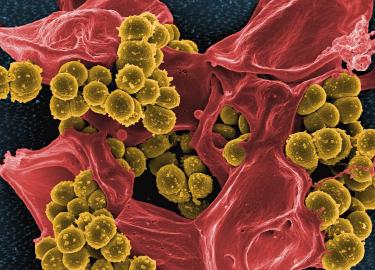
Here’s the simple breakdown. When good bacteria (probiotics) eat their food (prebiotics), they produce byproducts. These byproducts are postbiotics. Think of them as the beneficial leftovers-short-chain fatty acids, enzymes, peptides, and other compounds that bacteria leave behind after doing their thing.
The cool part? These byproducts have serious skin benefits without the instability issues of live bacteria.
My dermatologist explained it to me like this: “Postbiotics give you the benefits of a healthy microbiome without needing to keep live organisms alive on your shelf. " That made so much sense. Live probiotics in skincare are notoriously finicky. They need specific temperatures, pH levels, and packaging to survive. Postbiotics - they’re stable. Ready to work.
My First Week With Postbiotic Skincare
I started with a postbiotic serum. Nothing fancy-just a basic formulation with lactobacillus ferment lysate. The texture was thin, almost watery. No fragrance - no drama.
Day one: nothing remarkable happened - day two: same. Day three: I noticed my skin wasn’t as tight after washing.
By day seven, something shifted. The persistent redness around my nose? Calmer. Those tiny rough patches on my cheeks? Smoother. My skin stopped looking like it was in constant defense mode.
I wasn’t cured. But for the first time in months, I wasn’t getting worse.
The Science of Skin Barrier Healing
Let me get a little nerdy here, because this stuff genuinely fascinates me.
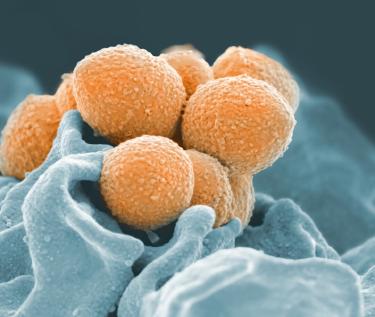
Your skin has its own system. Billions of microorganisms live on your face-bacteria, fungi, viruses, even mites (I know, gross, but stay with me). When this system is balanced, your skin barrier works properly. It keeps moisture in and irritants out.
When it’s disrupted - chaos.
Over-cleansing, harsh actives, environmental stressors-they all throw off your skin’s microbiome. The result is inflammation, sensitivity, breakouts, or that frustrating combination of oily AND dry also.
Postbiotics help restore balance. Research published in the Journal of Cosmetic Dermatology found that postbiotic compounds can reduce inflammatory markers in skin cells by up to 42%. Another study showed improved barrier function after just four weeks of topical application.
These aren’t massive clinical trials, I’ll be honest. Postbiotic skincare research is still relatively young. But the early results are promising, and the anecdotal evidence from people like me keeps stacking up.
What Changed in My Routine
I didn’t overhaul everything - that’s actually important.
When your skin barrier is compromised, the worst thing you can do is throw ten new products at it. I stripped back to basics: a gentle cleanser, the postbiotic serum, a simple moisturizer, and sunscreen.
That’s it - four products.
The urge to add things was strong. I kept seeing new launches, exciting ingredients, limited-edition drops. But I held off - my skin needed boring. It needed consistent.
After about six weeks, I slowly reintroduced my retinoid. Half the strength I’d used before, twice a week instead of nightly. My skin handled it - no freakout. No redness explosion. The postbiotic had done its job-rebuilt the foundation so my skin could tolerate actives again.
The Wound Healing Connection
Here’s where postbiotics get really interesting.
Dermatologists and wound care specialists are studying how postbiotics accelerate healing. In clinical settings, postbiotic-infused dressings have shown faster tissue repair compared to standard treatments. The compounds help modulate inflammation-not suppressing it entirely (because some inflammation is necessary for healing), but keeping it from going haywire.
For everyday skincare, this translates to faster recovery from breakouts, micro-tears from over-exfoliation, or irritation from trying a new product. Your skin bounces back quicker.
I noticed this personally when I accidentally scratched my cheek. Normally, something like that would leave a red mark for days, maybe a week. This time, it faded in about three days. Could be coincidence - could be the postbiotics. Hard to say definitively - but patterns matter.
Not All Postbiotics Are Equal
A word of caution: the term “postbiotic” is becoming a marketing buzzword. Some products slap it on the label with negligible amounts of actual postbiotic compounds.
Look for specific ingredients:
- Lactobacillus ferment
- Bifida ferment lysate
- Lactococcus ferment lysate
- Saccharomyces ferment filtrate
These should appear reasonably high on the ingredient list-ideally in the top half. If “postbiotic” is the headline but the actual ferment is buried after fragrance and color additives, you’re probably not getting much benefit.
Also, don’t expect overnight miracles - microbiome repair takes time. We’re talking weeks, not days - consistency matters more than concentration.
Where I Am Now
Two years later, my skin is the calmest it’s been since my twenties. Not perfect-I still get occasional hormonal breakouts, and winter dryness is a thing. But the baseline has shifted.
I can use actives again. My skin doesn’t overreact to environmental changes. The redness that used to make me self-conscious? Mostly gone.
More importantly, I’ve stopped fighting my skin. I used to approach skincare like a battle-attacking problems, forcing results. Now it’s more like gardening. Creating conditions for things to thrive on their own.
Postbiotics aren’t magic. They’re one piece of a bigger puzzle that includes sleep, stress management, diet, and genetics. But for me, they were the missing piece. The thing that finally helped my skin stop screaming and start healing.
Should You Try Postbiotics?
If your skin barrier is compromised-if you’re dealing with sensitivity, redness, or reactivity that won’t quit-postbiotics might be worth exploring. They’re generally well-tolerated, even for sensitive skin types. The risk is low.
Start simple - one postbiotic product. Give it six to eight weeks. Pay attention to how your skin feels, not just how it looks.
And if nothing changes - that’s okay too. Skincare is personal. What works for my skin might not work for yours. But if you’re tired of fighting, if you’re ready for a gentler approach, postbiotics offer something different. Not a battle plan, but a peace treaty.
Your skin’s microbiome is already working for you. Sometimes you just need to give it the right support.