Peptide Lip Treatments Replace Filler Injections Naturally
My friend Sarah showed up to brunch last month with lips that looked… different - fuller, somehow. More defined. I immediately assumed she’d gotten filler.
“Nope,” she said, pulling a small tube from her purse. “Peptides.
I was skeptical - deeply skeptical. I’d tried every “plumping” lip gloss on the market throughout my twenties and thirties. The tingly ones that just irritated my skin. The glossy ones that did absolutely nothing except make my hair stick to my mouth. That expensive department store ones that promised miracles and delivered disappointment.
But Sarah’s lips genuinely looked different. Not dramatically inflated like some filler results I’d seen-just healthier, fuller, more youthful. She’d been using a peptide lip treatment for about six weeks.
So I fell down the rabbit hole. And what I found changed how I think about lip care entirely.
The Science That Actually Makes Sense
Here’s what nobody told me about lip aging until I started researching peptides: our lips lose collagen faster than almost any other part of our face. The skin on your lips is incredibly thin-we’re talking 3-5 cellular layers compared to 16 on the rest of your face. There’s no sebaceous glands, no melanin for protection. They’re basically defenseless against time.
By our mid-thirties, most of us have lost significant lip volume. Not because of anything we did wrong. Just biology doing its thing.
Enter matrikine peptides. These aren’t your standard “peptides” that get slapped on every skincare label these days. Matrikines are specific protein fragments that signal your skin cells to produce more collagen and elastin. They essentially trick your lips into thinking they need to repair themselves.
The research on palmitoyl tripeptide-38 particularly caught my attention. One clinical study showed a 44% increase in hyaluronic acid synthesis after just 14 days of application. That’s the same hyaluronic acid that derms inject during filler appointments.
But here’s what makes peptides different from those irritating cinnamon-oil plumping glosses: they’re building actual structure, not just causing temporary inflammation.
My Six-Week Experiment
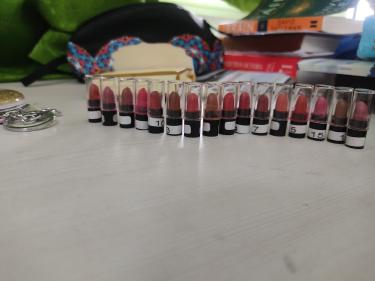
I ordered three different peptide lip treatments to test. One from a Korean skincare brand, one from a clinical US brand, and one from a French pharmacy line. Total investment: about $85.
Week one was underwhelming. I applied the treatments morning and night, under my regular lip balm or lipstick. Nothing dramatic happened - my lips didn’t tingle. They didn’t swell. Honestly, I wondered if I’d been had.
Week two, I noticed my lips felt less dry. Like, genuinely hydrated even after sleeping with my mouth open (attractive, I know). The vertical lines above my lip-the ones my grandmother called “smoker’s lines” even though I’ve never smoked-seemed slightly softer.
By week four, I started seeing what Sarah had promised. My lips looked plumper in photos. Not duck-face plump - just… restored. Like they’d been given back something they’d lost.
The most surprising change came in week five. I’d been using a specific shade of lipstick for years, and suddenly it looked different on me. Fuller. My cupid’s bow was more defined. A coworker asked if I’d gotten “something done.
I hadn’t gotten anything done. I’d just applied a peptide treatment twice a day for five weeks.
What I Learned About Choosing the Right Formula
Not all peptide lip products are created equal. After trying several and obsessively reading ingredient lists, here’s what actually matters:
Look for these specific peptides:
- Palmitoyl tripeptide-38 (collagen synthesis)
- Acetyl hexapeptide-8 (sometimes called “Botox in a bottle” for fine lines)
- Copper peptides (wound healing and regeneration)
- Matrixyl 3000 (combination of palmitoyl tripeptide-1 and palmitoyl tetrapeptide-7)
Skip products that:
- List peptides at the very end of the ingredient list (concentration too low to work)
- Combine peptides with high concentrations of vitamin C or AHAs (they can degrade each other)
- Rely primarily on temporary plumping agents like capsaicin or menthol
The Korean product I tried had the best texture-silky and absorbing quickly. The French pharmacy one had the highest peptide concentration but felt waxy. This US clinical brand struck the best balance between efficacy and everyday wearability.
Price doesn’t always indicate quality, either. I found effective options ranging from $18 to $65.
The Honest Comparison to Filler
Look, I’m not going to pretend peptide treatments will give you the same results as injectable filler. They won’t. If you want dramatic volume increase overnight, hyaluronic acid injections are still the fastest route.
But here’s what peptides offer that filler doesn’t:
**No downtime. ** Filler often means swelling, bruising, and a few days of looking like you lost a fight. Peptides have zero recovery period.
**Gradual, natural-looking results. ** Nobody will ever look at peptide-treated lips and think “those are fake. " The enhancement is subtle and builds over time.
**Cumulative benefits. ** While filler breaks down and needs replacing every 6-12 months, peptides are actually building your natural collagen reserves. The longer you use them, the better your baseline becomes.
**Cost over time. ** A good peptide treatment costs $25-50 and lasts 2-3 months. Filler runs $500-800 per session, multiple times per year. Do that math over five years.
**No risk of migration or lumps. ** Filler can shift, creating asymmetry or hard spots. Peptides just - can’t do that.
The dermatologist I consulted put it this way: filler is renovation, peptides are maintenance. Both have their place. But most people jump straight to renovation without realizing good maintenance might have been enough.
Three Months Later
I’m writing this roughly three months into using peptide lip treatments daily. My results have plateaued-which is expected. I’m not going to keep gaining lip volume indefinitely. But the improvement from where I started has held steady.
My lips look like they did in photos from maybe eight years ago. The fine lines are softened but not erased. The overall shape is more defined. I can wear lipstick without it bleeding into the tiny creases around my mouth.
More importantly, I’ve stopped thinking about getting filler. That constant low-grade dissatisfaction I’d felt looking at my lips in the mirror? It’s gone.
Sarah was right.
Will peptides work this well for everyone? Probably not - skincare is frustratingly individual. Someone with more advanced volume loss might find the results underwhelming. Someone with naturally full lips might not notice much change at all.
But for those of us in the middle-noticing the early signs of aging, curious about filler but nervous about the needle, wanting to look like ourselves but slightly better-peptide lip treatments are genuinely worth trying.
The worst case scenario is that you spent $30 on a nice lip treatment. The best case is that you save thousands on filler and gain a little confidence back.
Those odds worked for me.