Neuro-Soothing Botanicals Target Skin Stress Pathways
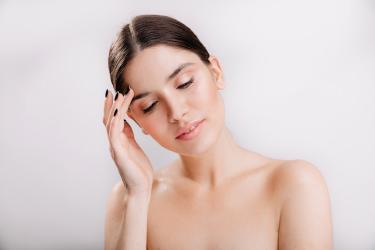
The Night My Skin Finally Told Me to Slow Down
I remember staring at my reflection after a particularly brutal week at work. Red patches bloomed across my cheeks like an unwelcome map of every deadline I’d missed sleep over. My forehead was doing this weird tight thing. And the dark circles? Let’s just say concealer had become my best friend.
What struck me wasn’t just how tired I looked. It was how my skin seemed to be screaming what my mouth wouldn’t say: I’m stressed out of my mind.
That moment sent me down a rabbit hole I never expected. Turns out, the connection between our nervous system and our skin runs way deeper than I’d imagined. And a whole category of botanicals exists specifically to address this mind-skin link.
When Your Skin Becomes a Stress Barometer
Here’s something wild I learned: your skin has its own stress response system. Scientists call it the HPA axis of the skin. Basically, when cortisol floods your body during stressful periods, your skin picks up on those signals and reacts accordingly.
For me, stress shows up as inflammation and dryness. For my sister, it’s breakouts along her jawline. My friend gets eczema flares like clockwork before big presentations.
The skin-brain connection isn’t some woo-woo concept either. Dermatologists have known for decades that conditions like psoriasis, rosacea, and acne often worsen during high-stress periods. One study I came across showed that students had significantly more skin issues during exam weeks compared to break periods. The correlation was striking.
But knowing stress affects your skin and actually doing something about it? Those are two very different things.
Finding Botanicals That Actually Speak to Your Nervous System
I stumbled onto neuro-soothing ingredients almost by accident. A facialist mentioned something called adaptogens for skin during a treatment, and I was skeptical. Sounded like marketing fluff.
Then I started researching.
Certain plants contain compounds that interact with receptors in your skin connected to your nervous system. These are more than moisturizing or anti-aging ingredients. They’re specifically designed to calm the stress pathways that trigger inflammation, sensitivity, and premature aging.
The ones that caught my attention:
Ashwagandha has been used in Ayurvedic medicine forever, but topical applications are relatively new. When applied to skin, it appears to reduce cortisol-related damage. I tried a serum containing ashwagandha extract during a stressful move last year. Can’t say it was magic, but my usual stress breakouts were noticeably less intense.
Blue tansy became my obsession for a while. That gorgeous blue color comes from azulene, a compound known for calming irritated skin. The scent alone feels like a deep exhale. I keep a facial oil with blue tansy on my nightstand now.
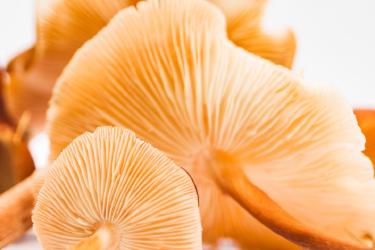
Reishi mushroom shows up in a lot of newer formulations. Research suggests it helps regulate the skin’s stress response at a cellular level. The texture in products tends to be slightly heavier, which I actually like for night routines.
California poppy surprised me. We think of it as a pretty wildflower, but it contains alkaloids that may help reduce tension-related skin issues. I found it in a sleep mask that promised to work overnight on stressed skin. The jury’s still out, but my morning skin does look calmer.
My Actual Routine Shift (Nothing Fancy)
Look, I’m not going to pretend I overhauled everything. That’s not realistic, and honestly, complicated routines stress me out more.
What changed was my approach.
I started paying attention to when my skin freaked out and correlating it with what was happening in my life. Deadline crunch - skin gets tight and angry. Argument with a family member - hello, chin breakout. Flight across time zones - instant dullness.
Once I saw those patterns, I built a small arsenal of calming products to reach for during high-stress moments. Not as replacements for my regular routine, but as additions when I needed them.
A calming mist with chamomile and lavender lives on my desk. Sounds silly, but spritzing it during afternoon slumps actually helps. The act of pausing, closing my eyes, and feeling that cool mist connects the physical sensation to a mental reset.
At night during particularly rough weeks, I swap my regular serum for one with adaptogenic herbs. Takes the same amount of time. Just a different bottle.
The biggest change - facial massage. I spent maybe fifteen dollars on a gua sha stone and learned a basic routine from YouTube. The technique supposedly helps with lymphatic drainage, but honestly, the five minutes of intentional touching does something for my nervous system that no product can replicate.
The Science Behind Why This Actually Works
I’m not a dermatologist, so I asked one. Dr. Rachel Chen, who specializes in stress-related skin conditions, explained it to me simply: “Your skin contains the same stress hormone receptors as your brain. When you apply ingredients that interact with those receptors in calming ways, you’re essentially giving your skin a chill pill.
She mentioned that the skin’s neuroendocrine system-a mouthful, I know-produces its own cortisol and can respond to both internal stress and external calming signals. That’s why a combination of stress management and targeted skincare works better than either alone.
The research is still emerging, but clinical studies on ingredients like centella asiatica (often called cica) show measurable reductions in inflammatory markers when applied consistently. Other studies link certain botanical compounds to increased production of beta-endorphins in skin, which are basically your body’s natural painkillers and mood boosters.
What convinced me was personal experience backed by this evidence. My skin genuinely behaves better when I’m proactive about calming routines during stressful periods.
What Nobody Tells You About Stress and Skin
Here’s the uncomfortable truth. No botanical, no matter how soothing, can fully counteract chronic stress. Trust me, I tried.
During a particularly awful three months when family health issues collided with work pressure, I threw every calming product I owned at my face. Still looked haggard - still broke out. Still had that grayish undertone that screamed “this person is not okay.
The skincare helped at the margins. But the real changes came when I addressed the actual stress through therapy, boundary-setting, and-this sounds basic-sleeping more than five hours a night.
Neuro-soothing botanicals are tools - really good tools. But they work best as part of a bigger picture that includes actually taking care of your nervous system from the inside out.
That said, I’d never go back to ignoring the skin-stress connection. Knowing that my redness isn’t random but a signal? That my dullness during hard weeks has a physiological explanation? It’s oddly comforting.
Building Your Own Calming Arsenal
If you’re curious about trying neuro-soothing ingredients, start small. Pick one product with adaptogens or calming botanicals and use it consistently for a month. Track how your skin responds during stressful versus calm periods.
Look for ingredients like:
- Ashwagandha root extract
- Reishi or other medicinal mushrooms
- Holy basil (tulsi)
- Passionflower
- Blue tansy or German chamomile
- Centella asiatica/cica
- CBD (if it’s legal where you are)
Avoid products that promise miracles - “Stress-proof skin” isn’t a thing. “Supports skin during stressful periods” is more honest.
And pay attention to texture and scent. Part of the benefit comes from the sensory experience. If a product feels or smells unpleasant, you won’t use it, and the ritual aspect matters.
Where I Am Now
These days, I think of my skincare routine as part of my stress management toolkit. Right alongside the meditation app I sometimes remember to use and the herbal tea I drink before bed.
My skin still reacts to stress. Probably always will. But I’ve gotten better at reading those signals and responding with intention rather than frustration.
Last week, a friend commented that my skin looked really calm. I laughed because I knew it wasn’t calm-I’d been dealing with some intense work stuff. But maybe, just maybe, all those botanicals were doing their job.
Or maybe I’m finally doing mine: paying attention to what my skin’s been trying to tell me all along.