Mycelium Packaging Transforms Sustainable Beauty in 2026
I still remember the exact moment my perspective on beauty packaging shifted forever. I was standing in my bathroom last spring, surrounded by what felt like a graveyard of empty skincare containers. Glass jars I’d been meaning to recycle for months. Plastic tubes with residue I couldn’t quite get out. Those fancy boxes with magnetic closures that seemed too nice to throw away but served absolutely no purpose anymore.
That’s when my friend Maya texted me a photo of her new moisturizer. The jar looked different - textured. Almost like it was made of compressed felt or maybe cork? “It’s grown from mushrooms,” she wrote. “You literally bury it in your garden when you’re done.
I thought she was messing with me.
How I Fell Down the Mushroom Packaging Rabbit Hole
Turns out, mycelium packaging isn’t some fringe experiment anymore. By early 2026, major beauty brands started ditching traditional containers for materials grown from fungal networks. And I mean grown - these aren’t manufactured in the conventional sense. They’re cultivated.
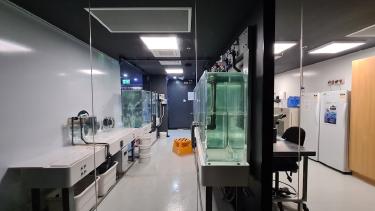
Here’s how it works, because I had to look this up about seventeen times before it clicked. Mycelium is essentially the root structure of mushrooms. Picture a web of tiny white threads spreading through soil. Companies take agricultural waste - think hemp husks, corn stalks, stuff that would otherwise get burned or dumped - and introduce mycelium spores. Over about a week, the mycelium consumes the waste and binds it together. Then the whole thing gets molded into whatever shape you need and dried out.
The result? A material that’s sturdy enough to protect a glass serum bottle during shipping but breaks down in your compost bin within 45 days. Compare that to the 500 years a plastic cap might stick around.
I ordered my first mycelium-packaged product in April - a vitamin C serum from a small brand called Terrain Beauty. When it arrived, I spent an embarrassing amount of time just… touching the box. It felt like something between styrofoam and bread. Lightweight - slightly springy. There was this faint earthy smell, not unpleasant, sort of like a forest after rain.
The Brands Making This Shift (And Why It Matters)
Maya’s moisturizer came from one of the bigger players now - a French company that switched their entire skincare line to mushroom-based containers by January. But what surprised me more was discovering how many indie brands had already been experimenting with this for years.
Lush started testing mycelium inserts for their gift sets back in 2024. Aether Beauty replaced their eyeshadow palette packaging with a mycelium alternative that honestly looked more premium than the recycled cardboard they’d used before. Even some luxury houses are quietly making the switch, though they’re not always advertising it - probably because “mushroom packaging” doesn’t exactly scream prestige.
But but that really got me: the environmental numbers aren’t even close.
Traditional cosmetic packaging generates roughly 120 billion units of waste globally each year. Most of it ends up in landfills or oceans. Mycelium packaging produces 90% fewer carbon emissions during production than plastic. It requires no petroleum. The agricultural waste it uses would otherwise create methane as it decomposes.
And unlike those “biodegradable” plastics that need industrial composting facilities most of us don’t have access to, mycelium breaks down in a regular backyard compost pile. I tested this myself. Buried my Terrain Beauty box in early May, dug around the area in July. Gone - not a trace.
What Nobody Tells You About Switching
I’d be lying if I said the transition was completely seamless. Some things caught me off guard.
First, moisture sensitivity - mycelium packaging doesn’t love humidity. One brand I tried shipped their products in mycelium containers without any protective barrier, and my cleanser arrived with packaging that had gone slightly soft during a rainy week. Not ruined, but definitely not the crisp unboxing experience I’d expected. The smarter brands now include a thin plant-based film around the mycelium - solved the problem completely.
Second, the texture takes getting used to. My partner thought the first package looked “kind of moldy” before I explained what it was. Fair point. It’s not the glossy, uniform aesthetic we’ve been conditioned to expect from beauty products. But honestly? After a few weeks, the traditional plastic started looking cheap and dated to me instead.
Third - and this surprised me most - the products inside often feel different too. Brands that switch to mycelium packaging tend to reformulate their actual products to match the sustainability ethos. More concentrated formulas to reduce container size. Waterless balms instead of lotions - refill systems. My bathroom shelf looks different now. Smaller containers, fewer products, but somehow everything works better because I’m actually using things up instead of letting them expire.
The Moment That Converted Me Completely
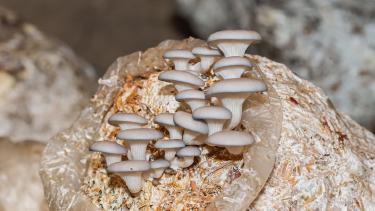
Last month, I visited my parents in Arizona. My mom had been complaining about a “weird thing” that showed up in her garden. We walked out to her vegetable beds,. There - pushing up through the soil where I’d buried my first mycelium package during a visit six months earlier - were actual mushrooms. Small ones. Probably oyster mushrooms based on what I could find online.
My mom harvested them. We sautéed them with garlic for dinner.
I’m not going to pretend this was some planned regenerative agriculture moment. The brand didn’t promise mushroom cultivation as a feature. But sitting there eating mushrooms that had grown from my empty skincare container? That felt like something had fundamentally changed in how I think about consumption.
The old model: buy product, use product, throw away container, forget it exists while it sits in a landfill for centuries.
The new model: buy product, use product, container becomes food for soil, something new grows.
Where This Goes Next
Mycelium packaging still represents maybe 3% of the beauty industry’s total packaging. That’s up from essentially nothing two years ago, but there’s a long way to go. Cost remains a barrier - it’s still 15-20% more expensive than conventional options for most brands. Scale is limited. And consumer education is basically nonexistent outside of sustainability-focused communities.
But the trajectory feels inevitable now. The European Union’s new packaging regulations taking effect next year basically force beauty brands to either dramatically increase recycled content or find genuinely compostable alternatives. Mycelium fits that bill perfectly. Some industry analysts are predicting 25% adoption by 2028. Others think it’ll happen faster.
I’ve started keeping a list of my favorite brands that have made the switch. Not because I’m trying to be preachy about it - Lord knows I still have plenty of plastic bottles in my routine -. Because I want to support the companies figuring this out early. They’re taking a real financial risk to do something better.
And selfishly? The products are often genuinely great. Turns out brands willing to rethink something as fundamental as their packaging tend to put the same care into formulation.
My bathroom doesn’t look like a graveyard anymore. The empty containers go in a cardboard box by my back door. Every few weeks, I bury them in the garden bed along the fence. No guilt. No lingering sense that I’m contributing to some massive waste problem I can’t see.
Just mushrooms, doing what mushrooms have always done - turning dead things into new life. The beauty industry finally figured out how to get out of the way and let them work.