Mushroom Adaptogens Transform Modern Skincare Routines
The Jar That Made Me Rethink Everything I Knew About Skincare
I was standing in a tiny shop in Portland, Oregon, holding a jar of face cream that smelled like a forest floor. Not in a bad way-earthy, grounding, like petrichor after rain. The label said “reishi” and “tremella” and a bunch of other mushroom names I couldn’t pronounce.
The shop owner noticed my skepticism. “Mushrooms have been used in Traditional Chinese Medicine for thousands of years,” she said. “We’re just now catching up.
I almost put it back - almost.
But something about her certainty-and honestly, the fact that my current routine was doing absolutely nothing for my stressed-out, dull skin-made me hand over my credit card. That was eighteen months ago. My bathroom cabinet has looked very different ever since.
What Even Are Adaptogenic Mushrooms?
Let me back up, because I had to Google this myself.
Adaptogens are substances that help your body resist stressors. They’ve been studied extensively for internal health benefits-think ashwagandha for stress, rhodiola for energy. But the fungi family brings something special to skincare that other adaptogens don’t.
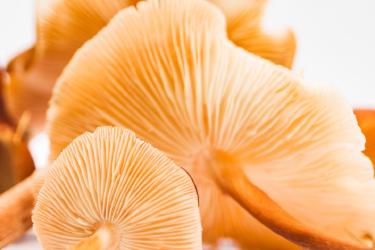
Reishi, tremella, chaga, cordyceps, lion’s mane. These aren’t the mushrooms on your pizza. They’re functional fungi with documented bioactive compounds-polysaccharides, beta-glucans, triterpenes, antioxidants. When applied topically, these compounds interact with your skin in fascinating ways.
A 2021 study published in the Journal of Fungi found that tremella mushroom polysaccharides have water-holding capacity comparable to hyaluronic acid. Some researchers argue tremella actually outperforms hyaluronic acid because its molecules are smaller and penetrate more effectively.
I didn’t know any of this when I bought that first jar. I just knew my skin looked tired. But the science explains why what happened next made sense.
My First Month With Fungi Beauty
Week one: nothing dramatic. The texture of the reishi cream felt different from what I was used to-less silicone-smooth, more… alive? There’s no better word for it. It absorbed quickly without that heavy residue.
Week two: my coworker asked if I’d been sleeping better. I hadn’t. But something in my face was reading as more rested.
Week three: I ran out of the reishi cream and, stupidly, went back to my old moisturizer for a few days while waiting for a restock. My skin threw a fit. Not breakouts-just this dullness that crept back almost immediately. Like someone turned down the brightness.
That’s when I became a believer.
By week four, back on the mushroom routine, I started noticing the real changes. Skin felt plumper. The redness around my nose that I’d blamed on seasonal allergies? Calmer. And there was this subtle luminosity I’d only ever achieved with makeup before.
The Mushrooms Actually Worth Knowing
After going down the fungi skincare rabbit hole for over a year now, here’s what I’ve learned about which mushrooms deliver real results:
Tremella (The Hydration Hero)
This one’s nicknamed “snow mushroom” and it’s earned the hype. Tremella fuciformis produces polysaccharides that hold water like crazy. Ancient Chinese nobility reportedly used it for youthful skin. Modern research backs them up-tremella can hydrate at the cellular level while forming a protective film on skin’s surface.
I use a tremella serum under my moisturizer now. On days when my skin feels like paper, this brings it back.
Reishi (The Calming Queen)
Reishi contains triterpenes and beta-glucans that have anti-inflammatory properties. Research published in Phytotherapy Research demonstrated reishi’s ability to modulate inflammatory responses. For skin, this translates to reduced redness and irritation.
If your skin is reactive-if it freaks out over new products or weather changes-reishi might be your ingredient. Mine tolerates more since I started using it.
Chaga (The Antioxidant Powerhouse)
Chaga grows on birch trees in cold climates and contains one of the highest antioxidant concentrations found in nature. Antioxidants fight oxidative stress-the environmental damage from pollution, UV exposure, and just… living in the modern world.
I think of chaga as long-term insurance. You won’t see instant results - but consistent use builds protection.
Shiitake (The Brightening Agent)
Shiitake contains kojic acid, which dermatologists recommend for hyperpigmentation. If you’re dealing with dark spots or uneven tone, shiitake-based products target melanin production without the harshness of some chemical alternatives.
Why Mushrooms Work Differently Than Other Trending Ingredients
Here’s what fascinates me about adaptogenic mushrooms versus, say, retinol or vitamin C.
Retinol works by forcing cell turnover. Vitamin C fights free radicals directly. Both effective-also both can irritate sensitive skin or cause reactions when overused.
Mushrooms take a different approach. They support your skin’s natural processes rather than overriding them. The beta-glucans signal your skin to produce more of its own protective compounds. The polysaccharides work with your existing moisture barrier rather than trying to replace it.
It’s a subtle distinction but an important one. I’ve been able to use mushroom products daily without the adjustment period I needed for acids or retinoids. No purging - no peeling. Just gradual improvement.
That said-mushrooms aren’t replacements for proven actives. I still use my retinoid twice a week, still apply vitamin C in the morning. The fungi products fill a different role: they support and calm while the stronger ingredients do the heavy lifting.
The Products That Actually Delivered
I’ve tried probably fifteen mushroom skincare products at this point. Some were genuinely excellent. Others were overpriced water with a sprinkle of mushroom extract.
Check the ingredient list. Mushroom extracts should appear in the top half-ideally in the first ten ingredients. If “tremella extract” shows up after fragrance and colorants, you’re basically paying for marketing.
Look for specific species names: Ganoderma lucidum (reishi), Tremella fuciformis, Inonotus obliquus (chaga). Vague terms like “mushroom blend” or “fungi complex” often mean negligible concentrations.
Concentrations matter. Some brands disclose percentages-anything above 1% for a mushroom extract is decent. The best products I’ve found hover around 2-5%.
My current essentials: a tremella hyaluronic acid serum that I’ve repurchased four times, a reishi-based night cream that smells slightly herbal but works beautifully, and a chaga eye serum that’s genuinely reduced my dark circles (though that might also be the extra sleep I’ve been getting).
What Nobody Tells You About Mushroom Skincare
It’s not fast. If you want instant gratification, this isn’t your category.
I saw subtle improvements in the first month but real, noticeable changes took three months of consistent use. Mushrooms build results over time through supporting skin health rather than forcing surface-level changes.
Also, quality varies wildly. The skincare industry loves trendy ingredients, and “mushroom” is definitely having a moment. That means plenty of cash-grab products with minimal actual mushroom content. Do your research-check reviews, look at ingredient lists, be skeptical of miracle claims.
And finally, mushrooms aren’t going to fix everything. They’re excellent for hydration, calming inflammation, and antioxidant support. They’re less effective for things like deep wrinkles or active acne. Know what you’re trying to achieve and set realistic expectations.
Where I Am Now
Eighteen months after that Portland impulse purchase, mushrooms have become a permanent part of my routine. Not the whole routine-just two or three products that I layer with my other actives.
My skin is calmer than it was two years ago. More hydrated, more even-toned. People occasionally ask what I’m doing differently. Usually I just say “more sleep” because explaining adaptogenic fungi takes longer than anyone wants at a dinner party.
The thing that’s changed most is my approach to skincare itself. I used to chase dramatic results-chemical peels, aggressive treatments, the strongest retinoids I could tolerate. Now I’m more interested in supporting my skin than attacking it.
Mushrooms taught me that - sometimes the gentlest approach wins.
If you’re curious about fungal beauty, start with one product. A tremella serum or a reishi moisturizer. Give it two months minimum. Pay attention to how your skin feels in the morning, how it handles stress, how it looks without makeup.
You might be surprised - i was.
And if your bathroom starts smelling faintly like a forest floor? That’s just part of the experience. I’ve grown to love it.