Kanuka Oil Emerges as Natural Skincare's New Antibacterial Star
I’ll be honest-I was skeptical when my friend Sarah texted me about “this incredible new oil from New Zealand. " We’ve all been there, right? Another miracle ingredient that promises to clear your skin, reverse aging, and probably solve world peace while it’s at it.
But something about kanuka oil stuck with me. Maybe it was the research papers she kept sending. Or maybe it was sheer desperation after my third stress breakout in two months. Either way, I found myself down a rabbit hole at 2 AM, reading about a tree most people have never heard of.
This is the story of how I discovered skincare’s best-kept secret.
A Tree Growing in the Shadow of Its Famous Cousin
If you know anything about New Zealand botanicals, you’ve probably heard of manuka. It’s everywhere-manuka honey, manuka oil, manuka everything. The stuff has become a wellness industry darling.
Kanuka - not so much.
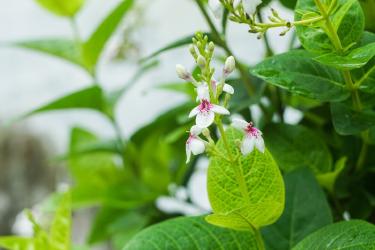
Which is wild when you consider what researchers have been finding. The kanuka tree (Kunzea ericoides) grows alongside manuka across New Zealand’s rugged landscapes. For centuries, the indigenous Māori people used both plants medicinally. They’d brew kanuka leaves for fevers and colds, apply the bark to wounds, and inhale the steam for respiratory issues.
But here’s what caught my attention: recent studies suggest kanuka oil might actually outperform manuka in certain antibacterial applications. A 2019 study published in the Journal of Essential Oil Research found that kanuka oil showed remarkable activity against common skin bacteria, including the strains responsible for acne.
I remember reading that and thinking: why isn’t everyone talking about this?
My First Bottle (And the Mistake I Made)
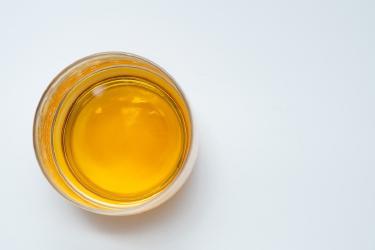
So I ordered some. Pure kanuka essential oil from a small New Zealand supplier. The bottle arrived three weeks later, and I immediately made the classic essential oil blunder.
I applied it straight to a blemish without diluting it first.
Don’t do this - please. Essential oils are concentrated-like, really concentrated. My skin turned red and irritated for two days. Entirely my fault.
After properly researching dilution ratios (something I should have done before, obviously), I started again. Three drops of kanuka oil mixed with a tablespoon of jojoba oil. That’s roughly a 1% dilution, which is gentle enough for facial use.
The results weren’t instant - nothing real ever is. But around week two, I noticed something shifting. The angry red spots on my chin were calming down faster than usual. New blemishes seemed less inflamed - my skin looked… clearer. Not perfect-I’m not trying to sell you a miracle here-but noticeably better.
What the Science Actually Says
Okay, let’s get into the nerdy stuff. Because my personal experience is just one data point, and I wanted to understand why kanuka oil might work.
The oil contains a compound called α-pinene, which shows strong antimicrobial properties. It also has significant amounts of viridiflorol, a sesquiterpene with documented anti-inflammatory effects. When you combine antibacterial action with inflammation reduction, you’ve got a solid foundation for treating blemishes.
A study from the University of Auckland tested kanuka oil against Staphylococcus aureus and Propionibacterium acnes-two bacteria heavily implicated in skin infections and acne. The oil inhibited both - not eliminated, inhibited. Important distinction.
What impressed me more was research on kanuka’s effects on wound healing. A clinical trial looked at kanuka oil’s potential for treating minor cuts and abrasions, finding accelerated healing times compared to control groups. The anti-inflammatory properties seemed to play a key role.
There’s also emerging interest in kanuka for eczema and psoriasis management. Dr. Shaun Holt, a New Zealand researcher who’s studied honey and bee products extensively, has noted kanuka’s potential in inflammatory skin conditions. The research is early-stage, but promising.
How I Actually Use It Now
Five months in, kanuka oil has earned a permanent spot in my routine. Here’s my approach:
For spot treatment: I mix two drops of kanuka oil with a small amount of aloe vera gel and dab it directly on blemishes before bed. The aloe provides hydration while the kanuka does its antibacterial thing.
For general skin health: I’ve created a simple facial oil blend-kanuka, rosehip seed oil, and a touch of vitamin E. A few drops after my serum at night. My skin texture has improved enough that my sister asked what I was doing differently.
For occasional inflammation: When my skin freaks out from stress or hormones, I’ll add kanuka oil to a gentle clay mask. Helps calm things down without over-drying.
One thing I’ve learned: consistency matters more than quantity. A little kanuka oil used regularly beats drenching your face in it occasionally.
The Honest Downsides
I’m not here to pretend this oil is flawless. A few things worth knowing:
First, it’s not cheap. Quality kanuka oil runs $15-30 for a tiny bottle. It’ll last a while since you’re using drops at a time, but the initial investment stings.
Second, the smell takes getting used to. It’s herbaceous and medicinal-think eucalyptus meets pine. Some people love it. I found it a bit aggressive at first but grew to appreciate it.
Third, sourcing matters enormously. The essential oil market is full of adulterated products. Look for oils from New Zealand, ideally with GC/MS testing results available. I’ve tried two different brands now, and the quality difference was noticeable.
Finally, this isn’t a replacement for actual medical treatment. If you’ve got severe acne, persistent skin infections, or any serious skin condition, see a dermatologist. Kanuka oil can be a helpful addition to your routine, not a substitute for professional care.
Why Natural Skincare Is Having This Moment
My kanuka discovery got me thinking about the broader shift happening in skincare. More people are looking toward botanicals and traditional remedies-not to reject modern dermatology, but to complement it.
Part of this is distrust of certain synthetic ingredients. Part is genuine interest in sustainability and ethical sourcing. And part, honestly, is that some of these natural ingredients actually work.
Kanuka oil fits into a growing category of “clinically interesting” botanicals. Things like bakuchiol (the retinol alternative), centella asiatica for wound healing, and sea buckthorn for skin repair. These are more than marketing buzzwords-they’re ingredients with genuine research behind them.
What I appreciate about kanuka specifically is its lack of hype. It hasn’t been picked up by every influencer and their grandmother. There’s no kanuka oil empire (yet). It’s just quietly effective, backed by solid science, and waiting for more people to discover it.
Where This Leaves Me
Six months after that late-night research session, I’m genuinely grateful Sarah sent that text. My skin isn’t perfect-whose is - -but it’s better. More importantly, I feel like it better.
Kanuka oil taught me something about skincare: the flashiest ingredients aren’t always the most effective. Sometimes the real discoveries are growing quietly in New Zealand’s hill country, overshadowed by their more famous relatives, waiting for someone curious enough to look.
If you’re dealing with blemishes, inflammation, or just want to try something different, kanuka might be worth exploring. Start slow, dilute properly, and give it time.
Your skin didn’t get complicated overnight. It won’t transform overnight either. But with patience and the right tools, it can surprise you.