Heartleaf in Korean Skincare: Ancient Plant in Modern Formulas
My mom’s bathroom cabinet was basically a Korean skincare museum when I was growing up. She had these tiny amber bottles with handwritten labels, mysterious creams that smelled like a forest after rain, and this one green serum she swore came from her grandmother’s recipe. I never paid much attention - i was twelve. Skincare meant splashing water on my face and calling it a day.
But last winter, something shifted. My skin freaked out-red patches on my cheeks, tight and angry-looking. Nothing I tried worked. The gentle cleansers, the fragrance-free moisturizers, the stuff my dermatologist recommended. All useless.
That’s when my mom pulled out a bottle she’d been saving. The label had Korean characters I couldn’t read, but she translated: heartleaf. Houttuynia cordata, if we’re being scientific about it.
“Your grandmother used this,” she said. “During the war, when there was nothing else. It healed everything.
The Plant That Refuses to Be Forgotten
Heartleaf isn’t some trendy ingredient that appeared overnight. This plant has been around-like, really around. We’re talking centuries of use across Korea, China, Japan, and Vietnam. Different cultures gave it different names. In Korea, it’s called eoseongcho. The Japanese know it as dokudami. Some call it fish mint because of its distinctive smell (which, honestly, takes getting used to).
The thing about heartleaf is that it’s stubborn. It grows in the cracks of sidewalks. It thrives in shade where other plants give up. My grandmother apparently grew patches of it behind her house in Busan, treating it like medicine rather than a weed.
Traditional Korean medicine used heartleaf for wound healing, infections, and skin irritations long before anyone knew what “active ingredients” meant. Practitioners would make poultices, teas, and topical applications. The knowledge passed down through generations, mother to daughter, grandmother to granddaughter.
And here’s where it gets interesting: modern science is basically catching up to what traditional medicine knew all along.
Why K-Beauty Brands Can’t Get Enough
Walk into any Korean beauty store today-whether it’s in Seoul or on a trendy street in LA-and you’ll find heartleaf everywhere. Serums, essences, toners, masks, creams. It’s become one of those ingredients that keeps showing up because it actually does something.
Researchers have identified several compounds in heartleaf that explain its skin-calming reputation. Quercitrin is one. It’s a flavonoid with antioxidant properties that helps manage redness. There’s also decanoyl acetaldehyde, which gives heartleaf its characteristic smell and contributes to its purported antimicrobial activity.
Brands like Anua, One Thing, and Skin1004 have built entire product lines around this plant. The Anua Heartleaf Pore Control Toner went viral on social media-78% heartleaf extract, lightweight texture, works for oily and combination skin types. I’ve seen college students and their moms using the same product, which says something.
But here’s what makes heartleaf different from other buzzy ingredients: it’s gentle. Like, really gentle. While retinol can cause peeling and vitamin C sometimes stings, heartleaf generally plays nice with sensitive skin. That’s not nothing when your face already feels like it’s under attack.
My Three Weeks with Heartleaf
So there I was, staring at the bottle my mom handed me, skeptical but desperate. The texture was thinner than I expected-almost watery. The smell was vegetal, earthy, with this faint fishy undertone that made me wrinkle my nose. Not exactly spa-like.
I patted it onto my angry red cheeks anyway.
The first few days, nothing dramatic happened. My skin didn’t transform overnight. But by the end of week one, I noticed the tightness had eased. The patches weren’t as angry. I stopped wincing when I looked in the mirror.
Week two brought more changes. The redness faded from “obviously something’s wrong” to “maybe she’s just been in the cold. " I could wear less concealer. My skin felt bouncier, more hydrated, less like dried-out paper.
By week three, I was converted. Not because heartleaf performed miracles-it didn’t. But because it did something simple and profound: it calmed everything down. My moisture barrier, which had apparently been compromised (thanks, winter air and stress), started functioning again.
I called my mom to tell her. She just laughed. “I told you so” without saying it.
The Science Meets the Story
Let me be real: heartleaf isn’t a cure-all. No ingredient is. The skincare industry loves to overpromise, and I’m not here to do that.
What the research suggests is that heartleaf has anti-inflammatory properties that can help with barrier support. A 2019 study published in the Journal of Cosmetic Dermatology found that houttuynia cordata extract showed promise in reducing skin sensitivity markers. Another study from 2021 noted potential antimicrobial effects, which could explain why traditional medicine used it for wounds.
But-and this matters-most studies have been conducted in lab settings or with small sample sizes. We need more research - always.
What we do have is centuries of traditional use backed by emerging scientific interest. That’s not nothing. And for people like me, dealing with reactive skin that hates everything, it’s worth trying.
The K-beauty industry has figured out how to formulate heartleaf in ways that maximize its benefits. Modern extraction methods preserve the active compounds. Stabilization techniques keep products effective longer. It’s traditional medicine filtered through contemporary cosmetic science.
Finding Your Heartleaf Match
Not all heartleaf products are created equal. Some have 78% heartleaf extract. Others use it as a minor ingredient buried in the formula. If you’re interested in trying it, check the ingredient list. You’re looking for houttuynia cordata extract near the top.
For dry skin, look for heartleaf combined with hydrating ingredients like hyaluronic acid or centella. Oily skin types might prefer lighter formulas-toners or essences that won’t add heaviness. If you’re dealing with irritation specifically, find products without potential irritants like fragrance or essential oils.
Start slow - patch test. Give it time. Skincare isn’t about instant gratification, no matter what marketing tells you.
More Than Just an Ingredient
The bottle my mom gave me is almost empty now. I’ve since bought my own-a different brand, same principle. But I keep thinking about the journey this plant has taken. From my grandmother’s garden in Busan to modern K-beauty shelves worldwide. From folk remedy to viral sensation.
There’s something beautiful about that continuity. Traditional knowledge doesn’t always survive the passage of time. It gets dismissed as superstition or replaced by synthetic alternatives. But heartleaf persisted. And now a new generation is discovering what grandmothers always knew.
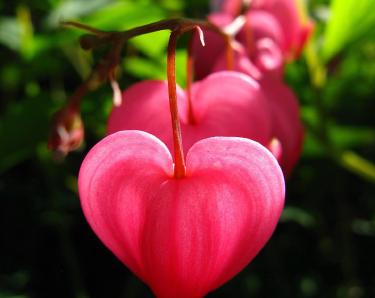
My skin isn’t perfect. It still has days when it freaks out. But I’ve found an ally in this unassuming plant with the heart-shaped leaves and the fishy smell. My mom was right - my grandmother was right.
Some wisdom just needs time to be proven.