Botanical Extracts Every Skincare Enthusiast Should Know
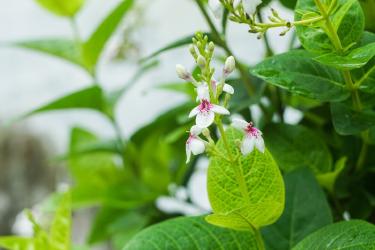
My grandmother kept a garden that smelled like a pharmacy and looked like chaos. Lavender tangled with chamomile - calendula pushed against rosemary. She’d crush leaves between her fingers and press them against my sunburned shoulders, my scraped knees, my teenage acne. “The plants know,” she’d say.
I rolled my eyes back then. Now I’m a 34-year-old woman who’s spent embarrassing amounts of money chasing that same wisdom in fancy bottles.
Here’s what I’ve learned: she was right. But also, the science has finally caught up to explain why she was right.
The Extract That Changed Everything for Me
Three years ago, my skin hit a wall. Retinol made me peel. Vitamin C oxidized before I could use half the bottle. Hyaluronic acid just - sat there. My dermatologist suggested I was over-exfoliating and under-nourishing. Her prescription - centella asiatica.
I’d never heard of it. Turns out, it’s been used in traditional medicine across Asia for literally thousands of years. The plant grows in wetlands, looks completely unremarkable, and contains compounds called madecassoside and asiaticoside that help skin repair itself.
Within two weeks, my angry red patches calmed down. A month in, people started asking what I’d changed. The answer felt almost too simple.
That experience sent me down a rabbit hole. I started reading studies, talking to formulators, and yes-growing some of these plants on my tiny apartment balcony.
Botanical Extracts That Actually Deliver
Not all plant extracts are created equal. Some are marketing fluff. Others have decades of clinical research behind them. Let me walk you through the ones I’ve come to trust.
Green tea extract tops my list. The active compound, EGCG, is a powerful antioxidant-we’re talking four times stronger than vitamin C in some studies. It fights UV damage, calms inflammation, and helps regulate oil production. I use a serum with 2% green tea every morning under sunscreen.
Licorice root surprised me. I associated it with candy, not skincare. But glycyrrhizin, the compound that makes licorice sweet, also inhibits tyrosinase-the enzyme responsible for dark spots. After six months of consistent use, the sun spots on my cheeks faded by maybe 40%. Not dramatic, but real.
Bakuchiol deserves the hype. It’s often called “nature’s retinol,” which I initially dismissed as marketing nonsense. Then I read a 2019 study in the British Journal of Dermatology comparing bakuchiol to retinol. Similar results for fine lines and pigmentation. Zero irritation. I switched my evening routine and haven’t looked back.
Arnica is underrated for anyone dealing with puffiness or dark circles. It improves microcirculation. My under-eyes look less tired when I use an eye cream containing arnica, especially after bad sleep or too much wine.
And then there’s rosehip oil, which contains naturally occurring tretinoin. Yes, the same active ingredient in prescription Retin-A, just in much lower concentrations. It’s gentler, slower, and surprisingly effective over time.
What I Wish Someone Had Told Me Earlier
Concentration matters more than ingredient lists. A product can claim “infused with botanical extracts” while containing 0. 001% of the actual plant compound. That’s not enough to do anything except smell nice.
Look for products that list botanical extracts in the first third of the ingredient list. Or better yet, find brands that disclose exact percentages. Some do - most don’t.
Extraction method matters too. CO2 extraction and cold-pressing preserve more active compounds than heat-based methods. The plant might be the same, but what ends up in your bottle can vary wildly.
And here’s something that took me embarrassingly long to understand: plants contain hundreds of compounds working together. Isolating one molecule isn’t always better than using the whole extract. Sometimes cooperation is real, not just a buzzword.
My grandmother’s crushed calendula petals contained flavonoids, saponins, and triterpenoids all working together. A lab-synthesized single compound might be more potent in one specific way, but it misses that complexity.
The Ones I Skip
I’m going to be honest about what hasn’t worked for me, because the botanical skincare world has its share of overhyped ingredients.
Coconut oil breaks me out - every single time. It’s comedogenic for many people despite being beloved on social media. Your mileage may vary, but patch test first.
Essential oils at high concentrations irritate my skin. A tiny amount of lavender oil for fragrance? Fine. A product that relies on tea tree oil as a primary active? My face turns into an angry tomato.
Aloe vera does nothing noticeable for me. I know it’s soothing for many people, especially for sunburns, but as a daily skincare ingredient, I’ve never seen results.
These aren’t bad ingredients universally. They’re just not for my skin. This is why patch testing exists.
Building a Botanical Routine That Works
My current routine is simpler than it’s ever been. Morning: green tea serum, rosehip oil mixed into moisturizer, sunscreen. Evening: gentle cleanser, bakuchiol serum, a cream with centella and licorice root.
That’s it - five products total.
I spent years layering seven or eight products because more felt like better. It wasn’t. My skin improved when I stripped back and let fewer, well-chosen botanicals do their work without competition.
One thing I’ve started doing: growing what I can. Fresh aloe for occasional burns. Calendula petals that I infuse in oil for my cuticles. Chamomile that I dry and steep for a calming face rinse. It’s not replacing my serums, but there’s something satisfying about closing that loop.
Where Science Meets Tradition
The best botanical skincare sits at the intersection of old knowledge and new research. Traditional medicine identified which plants helped skin heal. Modern science explains the mechanisms and optimizes delivery.
Take turmeric. Ayurvedic practitioners used it for skin conditions for centuries. Now we know curcumin inhibits inflammatory pathways and has antioxidant properties that exceed vitamin E. But we also know curcumin has poor bioavailability-it doesn’t absorb well. So researchers developed tetrahydrocurcuminoids, a more stable form that actually penetrates skin.
Traditional knowledge provided the starting point. Science made it work better.
I think about my grandmother often when I’m doing my evening routine. She didn’t know about madecassoside or EGCG or tyrosinase inhibition. She just knew which plants helped and passed that knowledge down.
The plants still know. We’re just getting better at listening.
My skin at 34 looks better than it did at 24, when I was using harsh acne treatments and ignoring moisture entirely. Botanical extracts didn’t fix everything overnight. They’re not magic. But they’ve given me a routine that feels sustainable, gentle, and connected to something older than any skincare trend.
Start with one. Maybe centella if you’re irritated, green tea if you need antioxidants, bakuchiol if retinol has failed you. Give it two months - pay attention.
The answer might already be growing somewhere, waiting to be crushed between someone’s fingers and pressed against skin that needs it.