Bakuchiol Surges as the Gentler Retinol Alternative for 2026
The Night My Skin Staged a Full Rebellion
I remember staring at my reflection in the bathroom mirror, my face looking like I’d rubbed it with sandpaper and then set it on fire. Dramatic - maybe. But if you’ve ever overdone it with retinol, you know exactly what I’m talking about.
It was supposed to be my anti-aging awakening. Every dermatologist, beauty editor, and skincare influencer had drilled it into my head: retinol is the gold standard. The one ingredient that actually works. So I’d committed. A pea-sized amount every night, just like the instructions said.
Two weeks later, my skin was flaking off in sheets. My cheeks burned when I smiled. And the fine lines I’d been trying to erase? Still there, now surrounded by angry red patches that made me look perpetually sunburned.
That’s when a friend mentioned bakuchiol.
“It’s basically retinol from a plant,” she said, scrolling through her phone to show me before-and-after photos. “But it doesn’t make you peel like a snake.
I was skeptical - very skeptical. How could some plant extract do what vitamin A derivatives do? But I was also desperate. And sometimes desperation leads you exactly where you need to go.
What Even Is Bakuchiol?
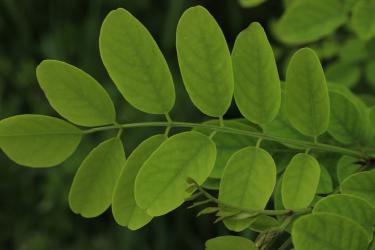
Bakuchiol (pronounced buh-KOO-chee-all) comes from the seeds and leaves of the Psoralea corylifolia plant, which has been used in Ayurvedic and Chinese medicine for centuries. Unlike retinol, which is a vitamin A derivative, bakuchiol is a meroterpene-a completely different chemical structure.
Here’s what made me raise an eyebrow: despite having zero structural similarity to retinol, bakuchiol seems to activate similar pathways in the skin. It stimulates collagen production - it helps with cell turnover. It tackles hyperpigmentation.
A 2019 study published in the British Journal of Dermatology compared the two head-to-head. After 12 weeks, both groups showed similar improvements in wrinkles and pigmentation. But the retinol group reported significantly more scaling and stinging.
That study changed things. It gave bakuchiol scientific credibility in a space where “natural alternatives” often mean “doesn’t actually work.
My Three-Month Experiment
I started with a bakuchiol serum from a mid-range brand-nothing fancy, about $34. The texture was oily but absorbed quickly. No smell to speak of. I used it every night after cleansing, followed by my regular moisturizer.
Week one: nothing. No irritation, but also no visible changes. I kept waiting for the burn, the peel, something. It felt almost too gentle to be doing anything.
Week three: my skin looked - calmer? The redness I’d been carrying since my retinol disaster had faded. My texture seemed smoother, though I couldn’t tell if that was wishful thinking.
Week six: okay, now we’re talking. The dark spot on my cheek from a pimple I’d picked (don’t judge) was noticeably lighter. My pores looked less visible - nothing miraculous, but steady progress.
Week twelve: I took a comparison photo and nearly dropped my phone. The fine lines around my eyes had softened. Not disappeared-let’s be realistic-but genuinely improved. My skin had this evenness to it that felt new.
And the best part - zero irritation. Not once. I could use it every single night without my face staging another rebellion.
Why 2026 Is Bakuchiol’s Moment
The beauty industry moves in waves. Right now, we’re in a gentle skincare wave, and bakuchiol is riding it perfectly.
Dermatologists are increasingly talking about “skin barrier health” and the dangers of over-exfoliation. All those harsh actives we layered in the early 2020s? Many of us wrecked our moisture barriers in the process. There’s a collective healing happening, and bakuchiol fits that narrative.
But there’s more to it. The plant-based movement is more than about food anymore. People want ingredients they can pronounce, derived from sources they understand. Bakuchiol delivers that without sacrificing efficacy.
I’ve noticed it everywhere lately. Mainstream brands like Versed and The Inkey List have affordable options. Luxury lines like Tata Harper and Herbivore have incorporated it into serums and oils. Even some retinol products now include bakuchiol as a buffer to reduce irritation.
Sales data backs this up. According to market research from Mintel, bakuchiol product launches increased by 68% between 2023 and 2025. It’s not a fringe ingredient anymore.
Who Should Actually Consider Switching
Let me be honest: bakuchiol isn’t for everyone. And retinol still works incredibly well for many people.
But you might want to consider bakuchiol if:
**Your skin freaks out at everything. ** Sensitive, reactive skin often can’t tolerate retinol at any concentration. Bakuchiol offers an entry point that won’t leave you hiding indoors for a week.
**You’re pregnant or breastfeeding. ** Retinol is contraindicated during pregnancy. Bakuchiol has no such restrictions, making it one of the few anti-aging actives that’s safe during this period.
**You live somewhere sunny and struggle with sun sensitivity. ** Retinol makes your skin more photosensitive. Bakuchiol doesn’t. You still need sunscreen (always), but you’re not starting at a disadvantage.
**You’ve tried retinol repeatedly and can’t make it work. ** Some skin just doesn’t tolerate it, no matter how slowly you build up or how much you buffer. That doesn’t mean you’re doomed to skip anti-aging actives entirely.
**You want to use your active in the morning. ** Retinol degrades in sunlight and typically needs to be used at night. Bakuchiol is stable and can be applied morning or evening.
The Honest Downsides
I’d be lying if I said bakuchiol was perfect. It’s not.
The results are slower. With retinol, some people see changes within weeks. Bakuchiol tends to work more gradually-you might need two to three months before noticing significant improvements. Patience isn’t everyone’s strong suit.
The research base is smaller. We have decades of studies on retinol, hundreds of papers documenting its effects. Bakuchiol has maybe a dozen solid clinical trials. That’s growing, but it’s not comparable yet.
It’s not identical to retinol in function. Some dermatologists point out that while bakuchiol activates similar genes, it doesn’t work through the same receptor pathways. The clinical outcomes may look similar, but the mechanisms differ. Whether that matters long-term, we don’t fully know.
And the formulations vary wildly. Some bakuchiol products are genuinely excellent. Others are barely more than moisturizers with a sprinkle of the active. You have to do your homework on concentrations and formulation quality.
Finding the Right Product
Most effective bakuchiol products contain between 0. 5% and 2% concentration. Lower than that and you’re probably not getting therapeutic benefits. Higher concentrations exist but aren’t necessarily better-this isn’t a more-is-more situation.
Look for products that list bakuchiol in the first half of the ingredients list. If it’s buried at the bottom, it’s likely present in negligible amounts.
Some formulations combine bakuchiol with other gentle actives like squalane, vitamin C, or hyaluronic acid. These can work beautifully together. Others pair it with retinol itself, using bakuchiol to increase tolerability.
I’ve personally tried seven different bakuchiol products over the past year. My favorites have been the ones in oil or serum formats rather than creams. They seem to absorb better and deliver more noticeable results.
Where I Am Now
These days, my routine is almost embarrassingly simple. Cleanser, bakuchiol serum, moisturizer, sunscreen - that’s it. Four products.
My skin isn’t perfect - i still get hormonal breakouts. I still have some texture. But I’ve found something sustainable-a routine that actually works for me without punishment.
Sometimes I wonder if I should try retinol again, now that my barrier has healed. Maybe start with a gentler formula, use it only twice a week, sandwich it between layers of moisturizer.
Then I remember those two weeks of misery. The flaking - the burning. The concealer I had to cake on just to leave the house.
Nah - i’m good.
Bakuchiol found me when I needed it, and I’m not looking back. Maybe it’s not the most powerful anti-aging ingredient out there. But it’s the one that works for my skin, my lifestyle, and my complete lack of interest in suffering for beauty.
And in 2026, that feels like exactly the right choice.