Hypochlorous Acid: Dermatology's Gentle Antimicrobial Revolution
The Night My Face Decided to Stage a Rebellion
Three years ago, I woke up to what I can only describe as a battlefield on my chin. Red, angry patches. Tiny pustules that seemed to multiply overnight. My skin barrier had completely given up on me after one too many actives in my routine.
I’d been chasing that glass skin dream hard. Retinol three times a week - glycolic acid toner. Vitamin C serum layered with niacinamide. My bathroom counter looked like a chemistry lab.
And my face? It looked like it had lost a fight with a cheese grater.
My dermatologist took one look at me and sighed. Not the dramatic, disappointed sigh. More like the “I’ve seen this a hundred times” kind. She handed me a small spray bottle filled with what looked like water.
“Hypochlorous acid,” she said - “Stop everything else. Just use this and a gentle moisturizer for the next month.
I stared at the bottle - acid? After everything my skin had been through?
What Hypochlorous Acid Actually Is (And Why It’s Not What You Think)
Here’s where things get interesting. Hypochlorous acid-HOCl for short-isn’t some new lab-created wonder ingredient. Your body makes it. Right now, as you’re reading this, your white blood cells are producing HOCl to fight off bacteria and pathogens.
Wild, right?
The molecule was first identified back in 1834, but it took until recent years for skincare formulators to figure out how to stabilize it in a bottle. The challenge was always that HOCl degrades quickly when exposed to light and air. Scientists finally cracked the code using electrochemical processes that keep it potent.
What makes HOCl different from other antimicrobials is its selectivity. Alcohol-based products? They kill everything-good bacteria, bad bacteria, your skin cells, probably your hopes and dreams too. But HOCl targets harmful pathogens while leaving beneficial microbes largely intact.
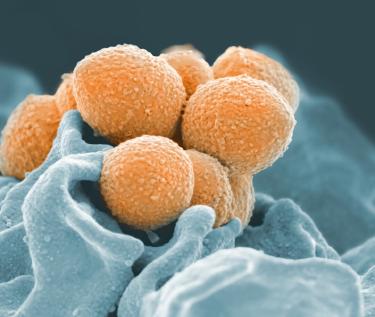
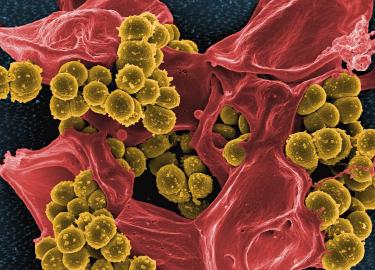
Dr. Patricia Farris, a clinical associate professor of dermatology at Tulane University, has called it “one of the most underutilized ingredients in dermatology. " Studies show it’s effective against staph, strep, and even antibiotic-resistant bacteria like MRSA.
And the kicker? It’s gentle enough for post-procedure skin, open wounds, and babies.
My Four-Week Experiment
Back to my destroyed moisture barrier.
Week one was rough. I’ll be honest-I didn’t believe this watery spray was doing anything. No tingling - no visible “working” sensation. I kept reaching for my usual products and having to stop myself.
By week two, something shifted. The redness started fading from angry crimson to a calmer pink. The little bumps weren’t multiplying anymore. I’d spray it on morning and night, let it dry, then follow with a basic ceramide cream.
Week three brought actual hope - my skin looked… calm. That’s the only word for it. The texture was smoothing out. Those perpetually clogged pores on my nose seemed less congested.
By week four, I had my face back.
Not perfect skin-I don’t think that exists for anyone past their early twenties. But healthy skin. Skin that wasn’t constantly irritated and reactive. Skin that could actually tolerate my sunscreen without throwing a fit.
The Science Behind the Gentleness
So why does this work when stronger ingredients failed?
HOCl operates at a pH between 3. 5 and 5. 5-right in the sweet spot of healthy skin’s natural acidity. Compare that to benzoyl peroxide, which is notoriously drying, or tea tree oil, which can sensitize skin over time.
The molecule is also incredibly small, which means it penetrates quickly and doesn’t sit on the surface causing occlusion or irritation.
Clinical studies have shown HOCl reduces inflammatory markers in the skin. A 2018 study in the Journal of Clinical and Aesthetic Dermatology found it decreased itch and inflammation in patients with atopic dermatitis. Another study demonstrated its effectiveness in managing seborrheic dermatitis-those flaky, red patches that plague so many of us.
Dermatologists are now recommending it for:
- Post-procedure healing (after lasers, peels, microneedling)
- Acne management
- Eczema flares
- Rosacea
- Wound care
- Blepharitis (eyelid inflammation)
- General barrier support
The versatility is kind of absurd when you think about it.
How I Use It Now
These days, HOCl has a permanent spot in my routine, though not as the star player anymore. My skin healed. I reintroduced actives-slowly, carefully, with much more respect for my barrier.
But I still reach for it in specific situations.
After workouts. Sweat plus bacteria plus friction is a recipe for breakouts. A quick mist before I can properly wash my face keeps things in check.
During hormonal breakouts. When I feel that familiar underground cyst forming along my jawline, I’ll spray the area multiple times throughout the day. Sometimes it stops the breakout from fully surfacing.
After extractions. Whether I’ve been to a facialist or committed the cardinal sin of picking at my own face, HOCl prevents infection without stinging.
On irritation days. If I’ve overdone it with exfoliation or tried a new product that didn’t agree with me, it helps calm things down faster.
Finding the Right Product
Not all hypochlorous acid products are created equal. Some are pure HOCl in water. Others include additional ingredients like sodium hypochlorite (household bleach’s main component, which is chemically related but not the same thing) or various preservatives.
Look for products that:
- List hypochlorous acid as the main active
- Come in opaque or dark bottles (light degrades HOCl)
- Have spray mechanisms to minimize air exposure
- Don’t contain a ton of added fragrances or unnecessary ingredients
Price points vary wildly. Some medical-grade formulations cost $30 for a small bottle. Others are more affordable at $15-20. The concentration matters less than the stability-a well-formulated product at 0. 01% will outperform a degraded product at higher concentrations.
Popular options include Tower 28 SOS Daily Rescue Facial Spray (which added this ingredient to a hydrating base), Briotech Pure HOCl, and SkinSmart Antimicrobial.
The Bigger Picture
What I appreciate most about hypochlorous acid is what it represents in skincare: a return to supporting skin rather than attacking it.
For years, the industry sold us on aggressive approaches. Acids to dissolve - retinoids to force turnover. Physical exfoliants to scrub away problems. And yes, those ingredients have their place. Tretinoin changed my acne. AHAs keep my texture in check.
But the barrier-first approach is gaining traction for good reason. Healthy skin functions better. It fights off pathogens on its own. It heals faster - it ages more gracefully.
HOCl fits into this philosophy perfectly. It’s not forcing your skin to do anything unnatural. It’s providing support for something your body already does.
My dermatologist put it simply during a follow-up visit: “The best skincare works with your biology, not against it.”
Three years later, my routine is much simpler. Fewer products - more intention. And one unassuming spray bottle that taught me sometimes the gentlest solution is exactly what irritated skin needs.
If your barrier is compromised, if you’re dealing with chronic inflammation, if your skin seems to hate everything you put on it-maybe give the gentle antimicrobial a chance. It might not be the revolutionary miracle product that skincare marketing loves to promise.
But it might be exactly what your skin is asking for.