How Dermatologists Approach Acne With Natural Treatments
The Moment I Started Taking Acne Seriously
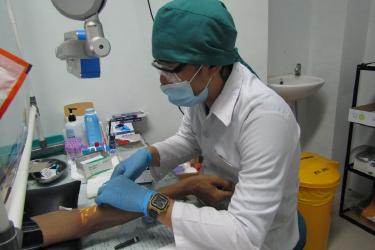
I remember sitting in my dermatologist’s office, staring at a poster of perfect skin while mine felt like a battlefield. Dr. Amara Chen looked at me over her glasses and said something that changed everything: “We’re going to fix this, but maybe not the way you expect.
I’d tried everything by then. Benzoyl peroxide that turned my pillowcases orange. Salicylic acid washes that made my face feel like sandpaper. Prescription creams with names I couldn’t pronounce. My medicine cabinet looked like a chemistry lab exploded in it.
But Dr - chen had a different approach. She pulled out a notepad and started sketching what she called her “clean treatment ladder. " Natural ingredients - gentle formulations. The stuff my grandmother might have recognized.
I was skeptical - honestly? I thought she was going soft on me.
What Dermatologists Actually Know About Natural Treatments
Here’s something most people don’t realize: dermatologists aren’t anti-natural. They’re anti-ineffective. And there’s a growing body of research showing that certain natural compounds actually work.
Dr. Chen explained it to me like this. The skin is an system. You’ve got bacteria, oils, dead cells, all doing their complicated dance together. Harsh treatments don’t just kill the bad stuff-they nuke the whole system. Then your skin panics - more oil. More inflammation - more breakouts.
Natural treatments, when chosen correctly, work with your skin rather than against it.
Take tea tree oil. A 2017 study in the Australasian Journal of Dermatology found that a 5% tea tree oil gel worked as effectively as 5% benzoyl peroxide for mild to moderate acne. But here’s the kicker-it caused less dryness, scaling, and irritation.
Or consider niacinamide. This B vitamin derivative has become a dermatology darling. It regulates oil production, reduces inflammation, and strengthens the skin barrier. My own dermatologist calls it “the Swiss Army knife of skincare.
Green tea extract - zinc supplements. Aloe vera - willow bark (nature’s salicylic acid). These are more than wellness trends. They’re tools that more dermatologists are adding to their treatment plans.
My Personal Journey Through the Clean Skincare Rabbit Hole
After that first appointment, I went home with a protocol that felt almost too simple. A gentle cleanser with no sulfates. A serum with niacinamide and zinc. Tea tree spot treatment. And-this was the hard part-I had to stop touching my face.
The first two weeks were rough. I kept waiting for the burning sensation I’d associated with “products that work. " It never came - instead, my skin just felt… calm. Like it was taking a deep breath after years of being screamed at.
By week four, something shifted. The angry red bumps on my chin started flattening. The texture on my forehead smoothed out. I wasn’t breakout-free, but I was getting somewhere.
Dr. Chen added a few things over the next months. A probiotic specifically for skin health. A change in my diet-less dairy, more omega-3s from actual food rather than supplements. She had me switch to a silk pillowcase, which I thought was ridiculous until I noticed my morning skin looking noticeably less irritated.
The Science Behind Why This Actually Works
Acne is fundamentally an inflammatory condition. That’s the piece I’d been missing for years.
Yes, bacteria play a role - yes, excess sebum matters. But the redness, the swelling, the painful cysts-that’s your immune system going haywire. And many conventional treatments, while killing bacteria effectively, also ramp up inflammation in the process.
Dermatologists approaching acne naturally focus on three pillars:
**Reducing inflammation first. ** This means ingredients like green tea extract (EGCG), turmeric-derived curcumin, and chamomile. These compounds calm the skin’s immune response without suppressing it entirely.
**Supporting the skin barrier. ** A damaged barrier lets more irritants in and more moisture out. Ceramides, squalane, and fatty acids from sources like rosehip oil help rebuild this protective layer. When your barrier is healthy, breakouts have a harder time taking hold.
**Balancing the microbiome. ** Your skin hosts trillions of microorganisms. Some cause problems - most are neutral or beneficial. Gentle, pH-balanced products with prebiotic ingredients encourage the good guys while keeping the troublemakers in check.
Dr. Chen told me something that stuck with me: “Your skin isn’t broken. It’s just confused. Our job is to give it clear signals about what you want it to do.
Real Talk About What Natural Treatments Can and Can’t Do
I’d be lying if I said this approach works for everyone. It doesn’t.
Severe cystic acne often needs prescription intervention. Hormonal acne tied to conditions like PCOS might require medication to address the root cause. Some people have bacterial strains that simply won’t respond to gentler treatments.
Dr. Chen was clear about this from the start. “We try natural first because it’s lower risk,” she said. “But if your skin needs more aggressive treatment, we go there. No ideology, just results.
That pragmatism is what I appreciate most about dermatologists who embrace natural options. They’re not telling you essential oils cure everything. They’re saying: here are tools that work for many people, with fewer side effects, and we should probably try them before pulling out the heavy artillery.
The other thing to know - natural doesn’t mean instant. I was accustomed to overnight results from harsh products (followed by worse breakouts a week later). The gentle approach took patience. We’re talking 8 to 12 weeks before I saw significant improvement.
Building a Routine That Actually Lasts
Two years later, my skin is the clearest it’s been since middle school. Not perfect. I still get the occasional hormonal pimple before my period. Stress breakouts happen. But the chronic, constant war on my face? Over.
My current routine is embarrassingly simple:
Morning: Rinse with water - vitamin C serum. Lightweight moisturizer with SPF - done.
Evening: Oil cleanser to remove sunscreen. Gentle foaming cleanser - niacinamide serum. Heavier night cream with ceramides.
Weekly: Clay mask with kaolin and green tea. Physical exfoliation with a soft konjac sponge.
That’s it - no ten-step routine. No products with ingredient lists longer than my arm.
The biggest change wasn’t the products, though. It was my relationship with my skin. I stopped treating it like an enemy to defeat and started treating it like a system to support. Sounds cheesy - absolutely true.
What I Wish I’d Known Earlier
If I could go back and talk to myself at sixteen, acne-covered and desperate, I’d say this:
Stop buying products based on how intense they feel. That burning isn’t proof of effectiveness. It’s your skin telling you to stop.
Find a dermatologist who listens. Not one who scribbles a prescription in thirty seconds and sends you out the door. Someone who asks about your stress levels, your sleep, your diet. Skin doesn’t exist in isolation.
And give natural approaches a real shot. Not the essential oils your aunt sells in an MLM. Real, evidence-based natural ingredients recommended by an actual professional.
My skin journey isn’t over - it probably never will be. But for the first time in twenty years, I wake up without immediately checking the mirror for new disasters. My face is just - my face.
Dr - chen retired last year. At our final appointment, she looked at my skin and smiled. “See - " she said. “Your system found its balance.
I think about that phrase a lot. Balance - not perfection. Not constant intervention. Just a system functioning the way it’s supposed to.
Turns out, sometimes the most sophisticated approach is also the gentlest one.