The Science Behind Natural Preservatives in Cosmetics
I never thought I’d spend a Saturday afternoon sniffing jars of cream in my bathroom, but here we are. My friend Sarah had just texted me a photo of her expensive organic moisturizer-the one she’d splurged on three months ago-now covered in fuzzy green mold. “How is this possible - " she wrote. “It’s supposed to be all-natural!
That text sent me down a rabbit hole I’m still climbing out of. And honestly? What I learned changed how I look at every product on my shelf.
The Dirty Truth About “Preservative-Free”
but nobody tells you when you’re standing in the beauty aisle, seduced by words like “pure” and “chemical-free. " Water-based products-which is most skincare-are basically petri dishes waiting to happen. Bacteria, yeast, mold - they all love moisture. They love the nutrients in botanical extracts even more.
I talked to a cosmetic chemist named Dr. Rebecca Liu about this. She’s been formulating products for 22 years, and she didn’t sugarcoat it.
“A preservative-free water-based cream is a liability lawsuit waiting to happen,” she told me. “I’ve seen products grow Pseudomonas aeruginosa within 48 hours of contamination. That’s an opportunistic pathogen that can cause serious eye infections.
So yeah - preservatives aren’t the enemy. Contaminated products are.
But that doesn’t mean all preservatives are created equal. And this is where the science gets genuinely fascinating.
How Nature Figured It Out First
Plants have been fighting off microbial invaders for about 450 million years. They’ve gotten pretty good at it.
Take rosemary extract. The compounds in rosemary-rosmarinic acid, carnosic acid, carnosol-didn’t evolve to make your serum smell nice. They evolved to stop fungi from rotting the plant. When cosmetic scientists figured out how to concentrate these compounds, they discovered something remarkable: they work against the exact same organisms that spoil skincare.
Tea tree oil operates differently. Its main component, terpinen-4-ol, literally punches holes in bacterial cell membranes. The bacteria leak their contents and die. It’s brutal, honestly - nature doesn’t mess around.
Then there’s fermentation. Korean beauty brands figured this out years ago. When you ferment ingredients like rice or soy, the bacteria produce organic acids and antimicrobial peptides as byproducts. The fermentation process essentially pre-preserves the ingredient.
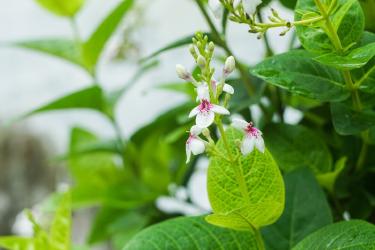
My current favorite discovery - honeysuckle extract. It contains para-hydroxybenzoic acid-which sounds synthetic but isn’t. This compound shows up in lots of plants, and it’s structurally similar to parabens (yes, those parabens) but comes straight from flowers.
The Shelf Life Reality Check
I won’t lie to you - natural preservatives have limitations.
Most synthetic preservatives work at concentrations of 0. 1% to 1%. Natural alternatives often need 2% to 5% to achieve similar protection. That’s not trivial. Higher concentrations mean higher costs and potential for skin sensitivity in some people.
Some natural options also break down faster, especially when exposed to heat or light. That gorgeous glass jar? Might be letting UV rays degrade your preservatives faster than an opaque tube would.
And here’s something that surprised me: “broad spectrum” matters as much for preservatives as it does for sunscreen. You need protection against gram-positive bacteria, gram-negative bacteria, yeast, AND mold. Many single natural ingredients only tackle one or two of these categories.
That’s why good formulators use combinations. A typical natural preservation system might include:
- Glyceryl caprylate (from coconut) for bacteria
- Leuconostoc ferment filtrate for broad antimicrobial activity
- Essential oils like thyme or oregano for additional coverage
- Radish root ferment to handle yeast
Each ingredient covers different threats - together, they create overlapping protection.
What I Actually Look For Now
After all this research, I’ve completely changed how I read labels. Here’s my personal checklist:
**Check the PAO symbol. ** That little open jar icon with a number (like 6M or 12M) tells you how many months the product stays good after opening. Natural formulas often have shorter periods-6 to 9 months versus 12 to 24 for conventional products. Not bad or good - just something to track.
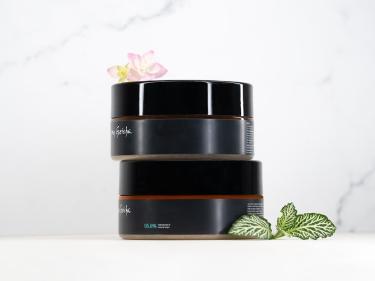
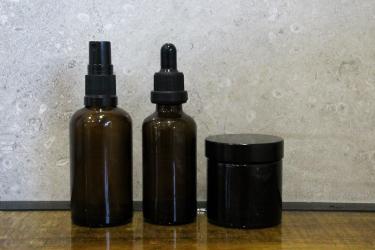
**Packaging matters more than I realized. ** Airless pumps minimize contamination from your fingers. Dark or opaque containers protect light-sensitive ingredients. Jars you stick your fingers into? They’re basically inviting microbes to a party.
**“Preservative-free” should raise questions. ** If a product contains water and claims no preservatives, ask how it’s stabilized. Some brands use very low water activity (high oil content) or high alcohol levels. Others rely on pH extremes. These are legitimate approaches, but they have trade-offs.
**Watch for preservative-boosters. ** Ingredients like ethylhexylglycerin or caprylyl glycol aren’t preservatives themselves, but they make natural preservatives work harder. Finding these in an ingredient list is usually a good sign.
The Bigger Picture
I came away from this deep-dive with a more nuanced view than when I started. The clean beauty movement has pushed the industry toward better alternatives-that’s genuinely good. Ten years ago, natural preservation systems were far less sophisticated. Competition drives innovation.
But I’ve also learned to be skeptical of marketing that treats “natural” as automatically superior. Cyanide is natural - arsenic occurs in nature. Meanwhile, some synthetic preservatives have decades of safety data behind them.
The real question isn’t whether an ingredient comes from a plant or a lab. It’s whether the formula protects you from contamination without causing other problems.
Sarah, by the way, threw out that moldy moisturizer and bought a new one. This time she checked the PAO symbol (9 months) and noticed it came in an airless pump. She also stores it in her bedroom now instead of the steamy bathroom.
Some science lessons stick better when they cost you $78.
I still have products I love that use synthetic preservatives. I also have others that rely on ferment filtrates and plant extracts. What matters to me now is understanding what I’m putting on my face-and trusting that someone who knows more than I do about microbiology tested it properly.
Because honestly? I’d rather my moisturizer contain a well-tested preservative system than become a science experiment growing in the jar.